Eco-Friendly Landscaping: Sustainable Practices for a Greener Lawn Jun 20, 2026
One of the first steps towards sustainable landscaping is selecting native plants. Native species are well-suited to the local climate and soil conditions, requiring less water, fertilizer, and maintenance. This not only conserves resources but also supports local wildlife such as butterflies and bees. Consider incorporating native grasses and wildflowers to reduce the need for frequent watering and mowing.
Water conservation is a crucial component of eco-friendly landscaping. Traditional lawns often consume large amounts of water, contributing to unnecessary waste. Implementing a drip irrigation system can significantly reduce water usage. These systems deliver water directly to the roots, minimizing evaporation and runoff. Additionally, consider collecting rainwater in barrels to naturally and cost-effectively irrigate your plants.
Soil health is another critical aspect of sustainable gardening. Healthy soil acts as a reservoir for water and nutrients, supporting robust plant growth. Instead of using chemical fertilizers, opt for organic matter like compost. Composting not only enhances soil quality but also reduces landfill waste. You can start a compost pile easily with kitchen scraps and yard waste, creating nutrient-rich soil that your plants will love.
Hardscaping can be sustainable too. When designing patios, paths, or driveways, choose pervious materials that allow water infiltration. Permeable pavers, gravel, and decking permit rainwater to seep through, reducing stormwater runoff and helping to replenish local groundwater supplies. Incorporating these materials into your landscape design ensures that your yard contributes to water conservation efforts.
Integrating wildlife-friendly elements into your landscaping is another vital step. Installing birdhouses, bat boxes, and bee-friendly flowers can create a haven for beneficial creatures, aiding in pollination and pest control. A diverse ecosystem in your backyard encourages natural pest management, reducing the reliance on harmful pesticides.
Reducing lawn size can also contribute significantly to eco-friendly landscaping. Consider replacing some grass areas with a rock garden, native plant beds, or ground covers that require minimal maintenance. This not only lessens the need for mowing and watering but also adds visual interest and biodiversity to your garden.
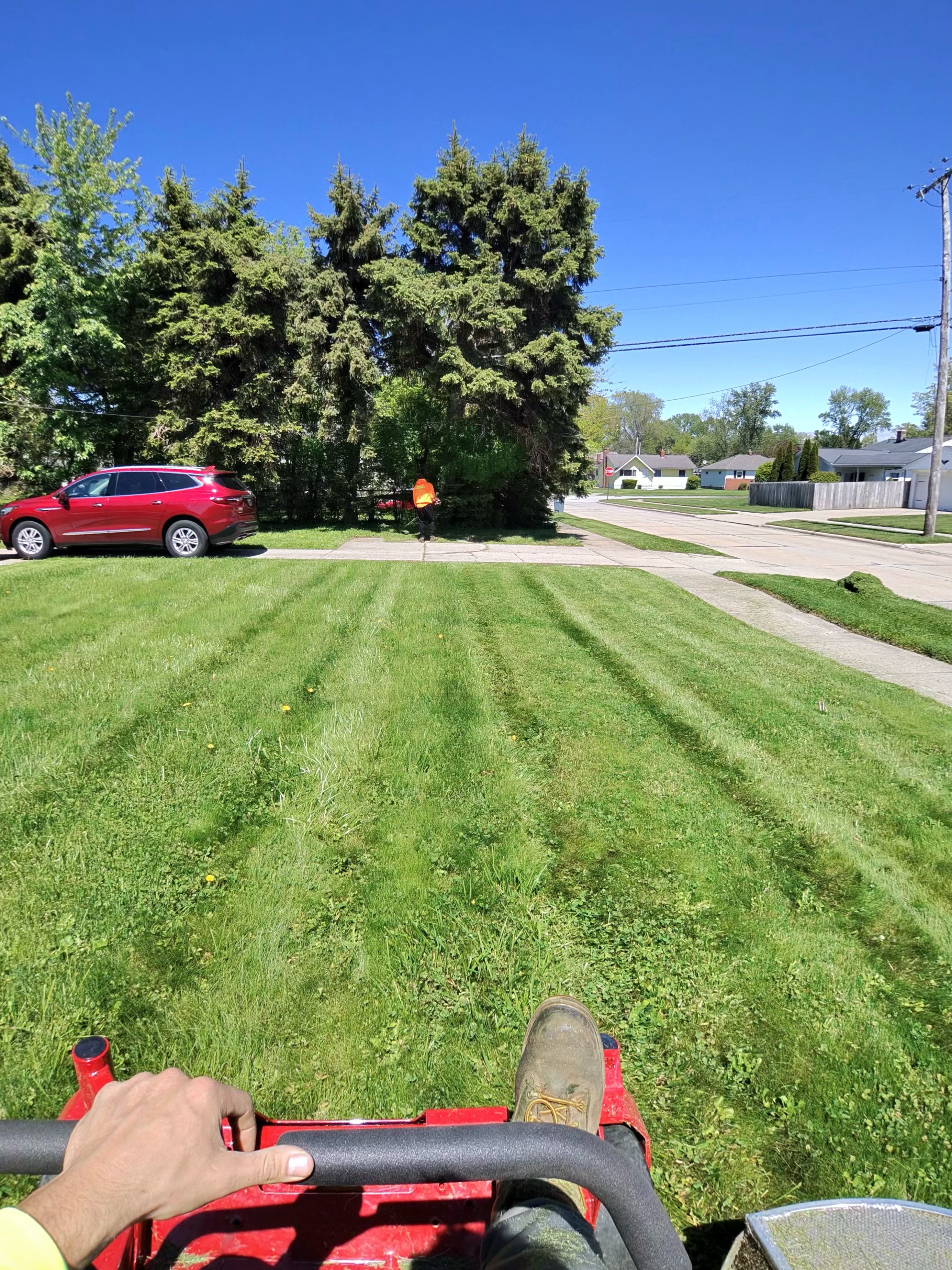
Finally, adopting an eco-friendly lawn care routine is essential. Electric mowers and tools produce less pollution than their gas-powered counterparts. Mowing less frequently, at the appropriate height, can also improve lawn health by promoting deeper root growth. This results in a more drought-tolerant lawn that requires less intervention.
In conclusion, adopting eco-friendly landscaping practices is a meaningful way to contribute to environmental sustainability while enjoying a beautiful, functional outdoor space. At Yard Theory, we are committed to helping you design landscapes that are as sustainable as they are stunning. Together, we can create greener lawns that are better for the planet. By incorporating these simple practices into your landscaping routine, you can achieve a vibrant, eco-friendly yard that serves as a sanctuary for both humans and wildlife.
/filters:no_upscale()/filters:format(webp)/media/e1994074-02c4-4ec8-b1eb-9bdd6c32413d.jpg)